Why Same-Day Emergency Dentist Beverly Hills Visits Matter
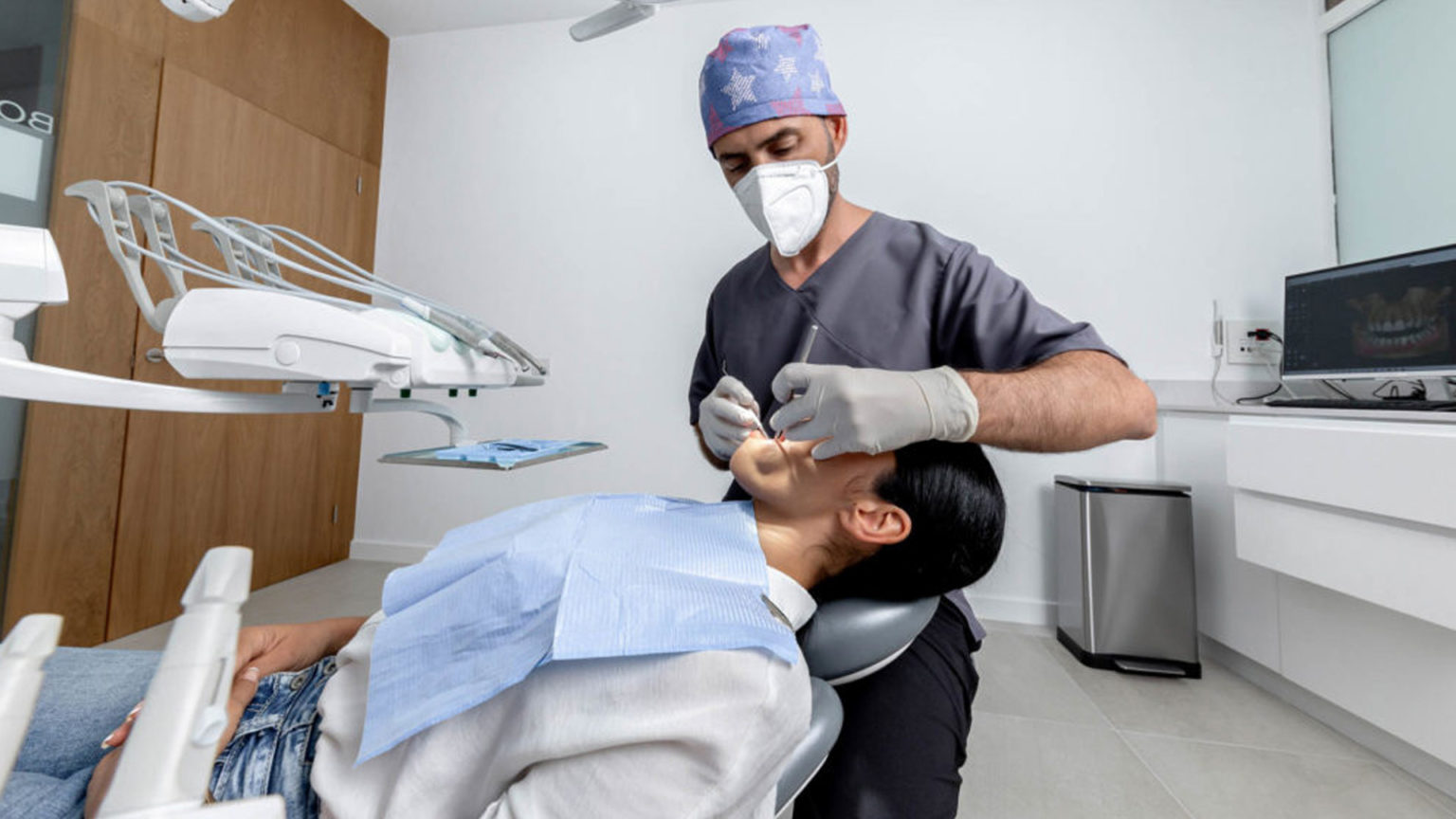

Dental emergencies rarely arrive at a convenient hour. A cracked molar during lunch, a crown that slips loose before a business dinner, a child who wakes up crying from sudden tooth pain, these problems have a way of turning an ordinary day into a stressful one fast. What makes the situation harder is that many people still underestimate how quickly a dental issue can escalate. They hope the pain will settle, they wait for swelling to go down, or they rely on over the counter medication long enough to get through the week. Sometimes that delay only turns a manageable problem into a more complex one.
That is why same-day care matters so much. When patients can see an Emergency Dentist Beverly Hills on the day symptoms begin, the goal is not simply comfort, though pain relief is often the first thing people care about. The bigger issue is damage control. Teeth, gums, bone, and surrounding tissue do not pause deterioration because a person is busy or hesitant. A prompt visit can mean the difference between preserving a natural tooth and needing a more involved restoration later.
In a place like Beverly Hills, where schedules are packed and appearances often matter in both personal and professional settings, access to immediate dental care carries another layer of importance. A visible chipped front tooth, facial swelling, or severe discomfort can affect work, sleep, speech, and confidence within hours. People often think of emergency dentistry as dramatic trauma only, but in day to day practice, the most common emergencies are often less cinematic and more deceptive: an infection that starts as a dull ache, a filling that falls out and exposes sensitive dentin, or a bite problem that suddenly becomes impossible to ignore.
What counts as a true dental emergency
One reason people delay treatment is uncertainty. They are not sure whether the problem justifies urgent attention. That hesitation is understandable. Not every dental concern requires immediate intervention, but many do, especially when pain, infection, or structural damage are involved.
Severe toothache is one of the clearest examples. Pain that keeps someone from eating, sleeping, or concentrating is rarely random. It often points to inflammation inside the tooth, an abscess, a crack, or trauma to the surrounding tissues. The intensity of pain does not always perfectly match the severity of the condition, but persistent or escalating discomfort deserves a same-day evaluation.
Swelling is another red flag. Swelling in the gums, jaw, or face can indicate infection, and dental infections are not trivial. A localized infection may begin near a tooth root or gum pocket, but without treatment it can spread into deeper spaces. Dentists take facial swelling seriously because the mouth is not isolated from the rest of the body. What begins as a tooth problem can become a broader medical issue if bacteria travel and inflammation intensifies.
Broken teeth also deserve prompt care, even when the pain seems mild. A fracture may expose the inner layers of the tooth, making it vulnerable to contamination, sensitivity, and further breakage. People are often surprised to learn that a small chip can sometimes be cosmetic, while a seemingly moderate crack can threaten the entire tooth structure. The difference is not always visible without an examination and imaging.
Knocked-out teeth are among the most time-sensitive emergencies. In those cases, minutes matter. If an avulsed permanent tooth is handled properly and treated quickly, there may be a chance to save it. That possibility drops as time passes and the cells on the root surface dry out. Same-day treatment is not a convenience here. It is part of the biology of successful reimplantation.
Even problems that sound minor can justify urgent care under the right circumstances. A lost crown may seem like a small annoyance until the exposed tooth becomes painful or structurally weak. A filling that falls out may quickly lead to thermal sensitivity or food impaction. A gum injury may bleed far longer than expected. The real question is not whether the issue seems dramatic. It is whether waiting increases risk.
The first few hours often shape the outcome
Dental medicine is full of situations where early intervention changes what is possible. This is one of the strongest arguments for same-day emergency visits. Once damage progresses past a certain point, treatment becomes more invasive, more expensive, and sometimes less predictable.
Take a cracked tooth. If a patient is seen early, before the crack extends deeper or bacteria reach the pulp, a bonded restoration or crown may stabilize the tooth effectively. If that same patient waits several days while chewing on it, the crack can deepen, symptoms can worsen, and root canal treatment may become necessary. In some cases the tooth splits below the gumline and can no longer be saved.
Infections show the same pattern. A patient may begin with sensitivity to pressure and a small pocket of inflammation near the tooth root. Treated promptly, the condition may be managed with drainage, endodontic therapy, or extraction if needed. Left alone, that same infection may cause diffuse swelling, fever, difficulty opening the mouth, or spreading cellulitis. At that point, the case becomes more medically significant and more physically draining for the patient.
Soft tissue injuries follow a similar logic. A laceration to the lip or gums may require cleaning, suturing, or protective instructions to heal well. Delayed care can increase contamination and discomfort, especially when the injury occurred with debris, sports equipment, or a fall onto pavement.
Patients sometimes assume that if they can tolerate the pain, they can safely wait. Tolerance is not a diagnostic tool. Some people function through serious inflammation with very little complaint. Others feel intense pain from exposed dentin or a reversible irritation. Same-day evaluation helps distinguish between what is urgent but manageable and what is becoming dangerous.
Pain is only one part of the equation
Pain gets attention because it is immediate and impossible to ignore. Yet one of the biggest mistakes patients make is measuring urgency by pain alone. Some dental emergencies are dramatic but not especially painful at first. Others are excruciating without being medically dangerous. A skilled emergency dentist is sorting through all of that in real time.
A front tooth fractured in a fall may not hurt much if the nerve is not exposed, but the emotional distress can be enormous. People who work in public facing roles often need their smile restored quickly to function normally at work. Temporary stabilization on the same day matters because appearance is not vanity in many cases. It is confidence, communication, and livelihood.
By contrast, a lost filling can be sharply painful because cold air and liquids hit exposed tooth surfaces directly, but the underlying condition may still be straightforward if treated quickly. The point is that urgency comes from a mix of factors: pain, infection risk, structural compromise, bleeding, aesthetics, and the chance that delay changes the treatment plan.
This is one reason why same-day access to an Emergency Dentist Beverly Hills has practical value beyond immediate relief. It creates an opportunity for triage by someone who understands those variables. Patients do not need to guess whether they should wait, self-treat, or head to urgent care. They can get a dental opinion while the problem is still fresh.
Why emergency rooms are often the wrong place for dental problems
When pain spikes after hours, many people consider the nearest hospital emergency room. That is sometimes appropriate, especially when there is severe facial swelling, trauma involving possible fractures, uncontrolled bleeding, or breathing and swallowing concerns. But for most dental emergencies, an ER can only address part of the problem.
Hospital physicians are essential for medical emergencies, but they usually do not provide definitive dental treatment such as root canal therapy, crown recementation, occlusal adjustment, or extraction of a damaged tooth unless a major surgical issue is present. In many cases, the patient receives pain medication, antibiotics if indicated, and instructions to see a dentist as soon as possible. That can be a necessary stopgap, but it is rarely the complete answer.
A same-day dental visit is often more efficient because it targets the actual source of the issue. The dentist can take appropriate radiographs, test the tooth, assess bite forces, look for cracks, evaluate restorations, and determine whether the problem is pulpal, periodontal, traumatic, or prosthetic. That level of specificity matters. Treating a dental abscess is not the same as treating sinus pressure, nerve pain, or muscle tenderness from clenching, even if all of them can cause facial discomfort.
Beverly Hills patients often face a unique mix of urgency and expectations
Every community has its own patterns when it comes to emergency dental care. In Beverly Hills, there is often a particular combination of high performance schedules, social visibility, and cosmetic awareness. That does not make the emergencies more serious biologically, but it does shape how disruptive they feel and how quickly people seek treatment.
A person preparing for filming, a legal appearance, a speaking engagement, or an important meeting may not be able to simply hide a damaged front tooth for a week. Someone traveling internationally the next morning may need a painful molar stabilized before boarding a long flight. A patient in active orthodontic or cosmetic treatment may need urgent help protecting work already in progress. These are not superficial concerns. They intersect with real function, timing, and financial investment.
At the same time, Beverly Hills patients often expect both speed and precision. They want the pain handled promptly, but they also want treatment decisions made carefully. A rushed patch that fails in two days is not useful. This is where experienced emergency care makes a difference. Same-day dentistry is not about doing everything instantly without judgment. It is about identifying what must happen now, what can be stabilized temporarily, and what should be planned deliberately after the immediate crisis is controlled.
What happens during a same-day emergency visit
People who have never needed urgent dental care sometimes imagine a chaotic experience. In reality, a well-run emergency appointment is typically focused and methodical. The first objective is to identify the source of the problem, not to guess. That usually means a review of symptoms, a targeted examination, and imaging when needed.
The dentist will often ask questions that may seem repetitive but are clinically important. When did the pain begin. Is it sharp, throbbing, or pressure-based. Does it worsen with cold, heat, or chewing. Did the tooth recently have work done. Was there trauma. Has swelling increased. Is there a bad taste or drainage. These details help narrow the cause quickly.
From there, the treatment may happen immediately if it is appropriate and safe. That might include draining an abscess, recementing a crown, smoothing a fractured edge, placing a temporary restoration, adjusting the bite, prescribing medication when indicated, or starting root canal therapy. In other cases, the visit focuses on Dental Group of Beverly Hills Emergency Dentist Beverly Hills stabilization and pain control, with a second appointment arranged for definitive care.
That distinction matters. Good emergency treatment is not always complete treatment on the same day. Sometimes the smartest move is to get the patient comfortable, reduce infection risk, protect the tooth, and then return for more extensive restorative work once the acute phase settles. Experienced dentists make those calls based on the condition of the tooth, the amount of time available, the patient’s medical status, and the likelihood of a durable result.
Delay often costs more than people expect
A common reason patients postpone emergency visits is cost anxiety. Dental treatment can be expensive, and people do not want to commit to a bill they did not plan for. That concern is real, but postponement often increases overall expense.
A cavity that causes sudden pain may need a filling if treated early. Wait too long and the same tooth may need a root canal and crown. Delay even longer and the tooth may become non-restorable, leading to extraction and replacement options such as a bridge or implant. The financial difference between those paths can be substantial.
There is also the cost people do not always calculate well: missed work, poor sleep, cancelled plans, repeated pain medication use, and the mental drain of functioning while distracted by oral pain. Anyone who has tried to get through a meeting with an actively throbbing tooth understands how much productivity drops. Dental emergencies interfere with eating, concentration, exercise, and mood. Those indirect costs accumulate quickly.
For patients who have invested in cosmetic dentistry, the stakes can be higher still. A damaged veneer, loose crown, or trauma to an anterior tooth can compromise not only appearance but previous restorative work. Same-day intervention helps preserve those investments before the surrounding structures change or the restoration fails further.
The psychology of waiting, and why it often backfires
There is a pattern dentists see again and again. A patient notices a problem on Monday, hopes it resolves by Tuesday, starts avoiding chewing on one side by Wednesday, develops sharper pain by Thursday, then calls in distress on Friday afternoon. Sometimes the issue was already brewing for months and only became impossible to ignore at the very end.
This happens for understandable reasons. People are busy. They are nervous about treatment. They have had a bad experience before. They tell themselves it is probably sensitivity. They do not want to overreact. But the psychology of delay tends to magnify fear rather than reduce it. By the time many patients finally come in, they are more uncomfortable, more tired, and more apprehensive than they would have been earlier in the week.
Same-day access changes that dynamic. It gives patients a path to action before dread builds momentum. Often the hardest part is making the call. Once they are in the chair and the problem has a name, the anxiety usually drops. Uncertainty is often worse than treatment.
I have seen this in routine scenarios many times. A patient arrives convinced that a broken tooth means extraction, only to learn it can be rebuilt. Another expects a minor problem and is relieved they came in because swelling revealed a hidden infection that needed urgent care. In both directions, the value of a same-day visit is clarity. People make better decisions when they know what they are dealing with.
What patients should do before they get to the office
The period between noticing an emergency and arriving for care matters. A few practical steps can prevent additional damage and make the visit more productive.
If a tooth is knocked out, handling it by the crown rather than the root is important. If it is visibly dirty, it can be gently rinsed, not scrubbed. In some cases it may be placed back into the socket if the person can do so safely. Otherwise, storing it in milk or another suitable medium while seeking immediate care improves the odds compared with letting it dry out.
For swelling or pain, a cold compress on the outside of the face can help with comfort. Aspirin should not be placed directly on the gums, despite how often that old advice still circulates. It can irritate or burn soft tissue. If a crown comes off, it should be kept and brought to the appointment. If a tooth fractures, saving any fragment can occasionally be useful.
People should also pay attention to the symptoms that signal a wider medical concern. Trouble breathing, trouble swallowing, rapidly expanding swelling, significant facial trauma, or heavy uncontrolled bleeding calls for urgent medical attention right away. Dental offices are well equipped for many emergencies, but severe systemic or airway-related signs need immediate medical triage.
Choosing the right emergency dentist matters
Not all urgent dental care is equal. Availability is only one part of the picture. A same-day appointment helps most when the clinician has the experience, diagnostic judgment, and equipment to use that time well.
An effective Emergency Dentist Emergency Dentist Beverly Hills Beverly Hills is looking beyond the obvious complaint. A patient may point to one tooth while the real source of pain is a cracked tooth nearby, a sinus issue, or referred pain from grinding. Accurate diagnosis under time pressure takes discipline. It is easy to chase symptoms. It is harder, and more valuable, to identify the cause.
Patients also benefit when the office can offer a range of treatments rather than only temporary fixes. If the dentist can evaluate, image, stabilize, and in many cases definitively treat the problem that same day, the patient avoids the frustration of being shuffled between providers while in pain. That continuity matters.
Communication matters too. During emergencies, people retain only part of what they hear. The best practices explain what is happening in plain language, outline the short term plan, and set clear expectations for what comes next. Good emergency care should leave the patient feeling informed, not rushed or confused.
Same-day care protects more than teeth
It is easy to think of urgent dental visits as simple problem solving: stop the pain, repair the tooth, move on. In reality, the impact runs wider. Oral health affects nutrition, sleep, speech, social ease, work performance, and systemic well-being. A serious dental problem can upset all of those at once.
When treatment happens quickly, patients often regain a sense of control almost immediately. They can sleep that night. They can eat without bracing themselves. They can return to work without worrying that their face is swelling or their smile looks damaged. For parents, it means a child who is no longer crying from pain. For older adults, it may mean avoiding dehydration or nutritional decline because chewing became too difficult. For anyone with a packed schedule, it means less disruption and fewer cascading consequences.
That is the real value of same-day emergency dentistry. It preserves options. It reduces suffering. It prevents manageable problems from becoming major ones. Whether the issue is an infection, a fracture, trauma, or sudden restorative failure, prompt attention usually creates the best path forward.
A dental emergency may begin without warning, but the response does not have to be uncertain. Getting evaluated the same day can be the difference between a brief interruption and a long recovery. In a setting where time, comfort, and appearance all matter, that kind of access is not a luxury. It is sound clinical care.
Dental Group of Beverly Hills
8641 Wilshire Blvd #125, Beverly Hills, CA 90211, United States
Phone: +1 (310) 929-6335
FAQ About Emergency Dentist Beverly Hills
What is considered to be a dental emergency?
Severe tooth pain, a knocked-out permanent tooth, a significant tooth fracture, or suspected dental infection needs prompt professional assessment. Contact a dentist to describe the problem and arrange appropriate care. Trouble breathing or swallowing, uncontrolled bleeding, or major facial injury requires immediate emergency medical attention.
How to tell if tooth pain is serious?
Pain that is severe, persistent, or accompanied by fever, facial swelling, or a bad taste should be assessed promptly by a dentist. The cause cannot be confirmed from symptoms alone. If swelling affects breathing or swallowing, call 911 or go to an emergency department.
What do I do if I have a dental emergency and no dentist?
Call a nearby dental practice that accepts urgent patients and explain your symptoms, when they began, and any recent injury. Ask about the earliest available assessment and what information to bring. For life-threatening symptoms, seek emergency medical care immediately instead of waiting for a dental appointment.